
Materials That Lower Embodied Carbon
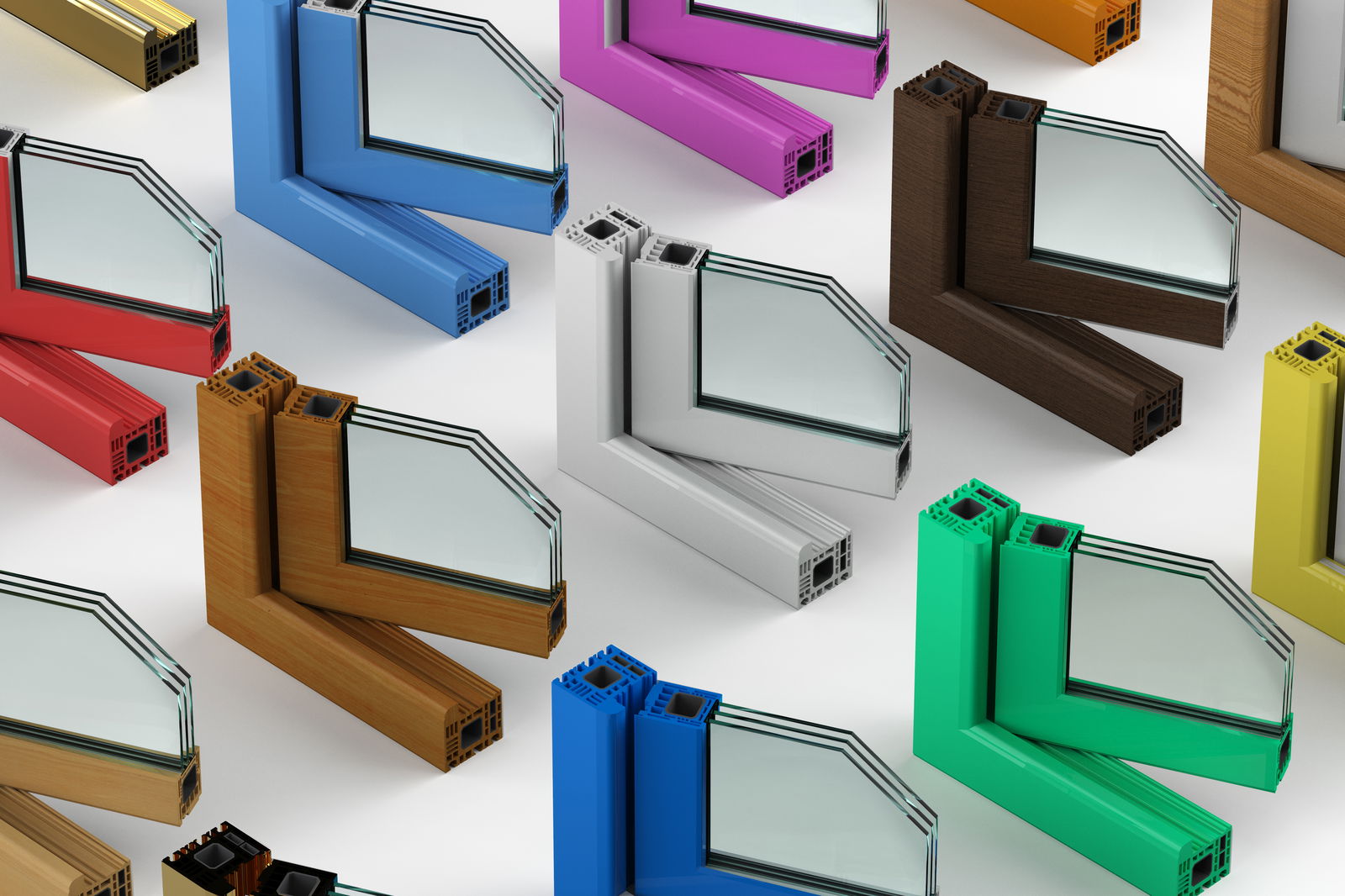
- Timber-aluminium composites: FSC-certified wood paired with recyclable aluminium cladding offers strength and longevity with a lower footprint than pure aluminium.
- Recycled aluminium: Producing aluminium from recycled stock uses up to 95% less energy than virgin aluminium.
- Low-impact PVCu: Some suppliers now use high recycled content PVCu, reducing emissions while keeping affordability.
How Manufacturing Affects Carbon
The greenest material can still have a high carbon cost if it’s processed inefficiently. Key things to check:
- Factories powered by renewable energy.
- Local or European sourcing to cut down transport emissions.
- Waste management during fabrication, ensuring off-cuts are recycled.

Operational Performance — Cutting Everyday Carbon
Choosing high-performance glazing reduces your home’s energy demand for decades. Look for:
- U-value: Triple glazing can achieve ~0.8 W/m²K, keeping heating needs low. This is the new minimum under the UK’s Future Homes Standard from 2025.
- Airtightness: Precision-engineered frames prevent draughts and wasted energy. For more details on this, see our guide to energy-efficient windows and doors.
- Solar gain (g-value): Well-designed glazing balances natural light with overheating risks.

End-of-Life & Circular Economy
Low-carbon design also considers what happens in 30–40 years when replacements are needed. The best suppliers provide:
- Clear recycling pathways for glass, timber, and aluminium.
- Modular systems that can be dismantled instead of landfilled.
- Warranties that extend lifespan and reduce premature replacement.

How to Choose a Low-Carbon Supplier
Before you buy, ask suppliers for:
- Transparency on sourcing — e.g., FSC timber, recycled aluminium certification.
- Lifecycle carbon assessments (kg CO₂e/m² benchmarks).
- Quality installation — poor fitting can wipe out carbon savings.
- Maintenance guidance to maximise product life.
AT-ECO’s Approach
At AT-ECO, we only partner with manufacturers who combine premium performance with responsible production — including Internorm, Drutex, Reynaers, and Schuco. Many of these systems are Passive House-ready, engineered for long lifespans, and supported by recycling schemes. We recommend checking out Internorm’s timber-aluminium range, which exemplifies this approach.
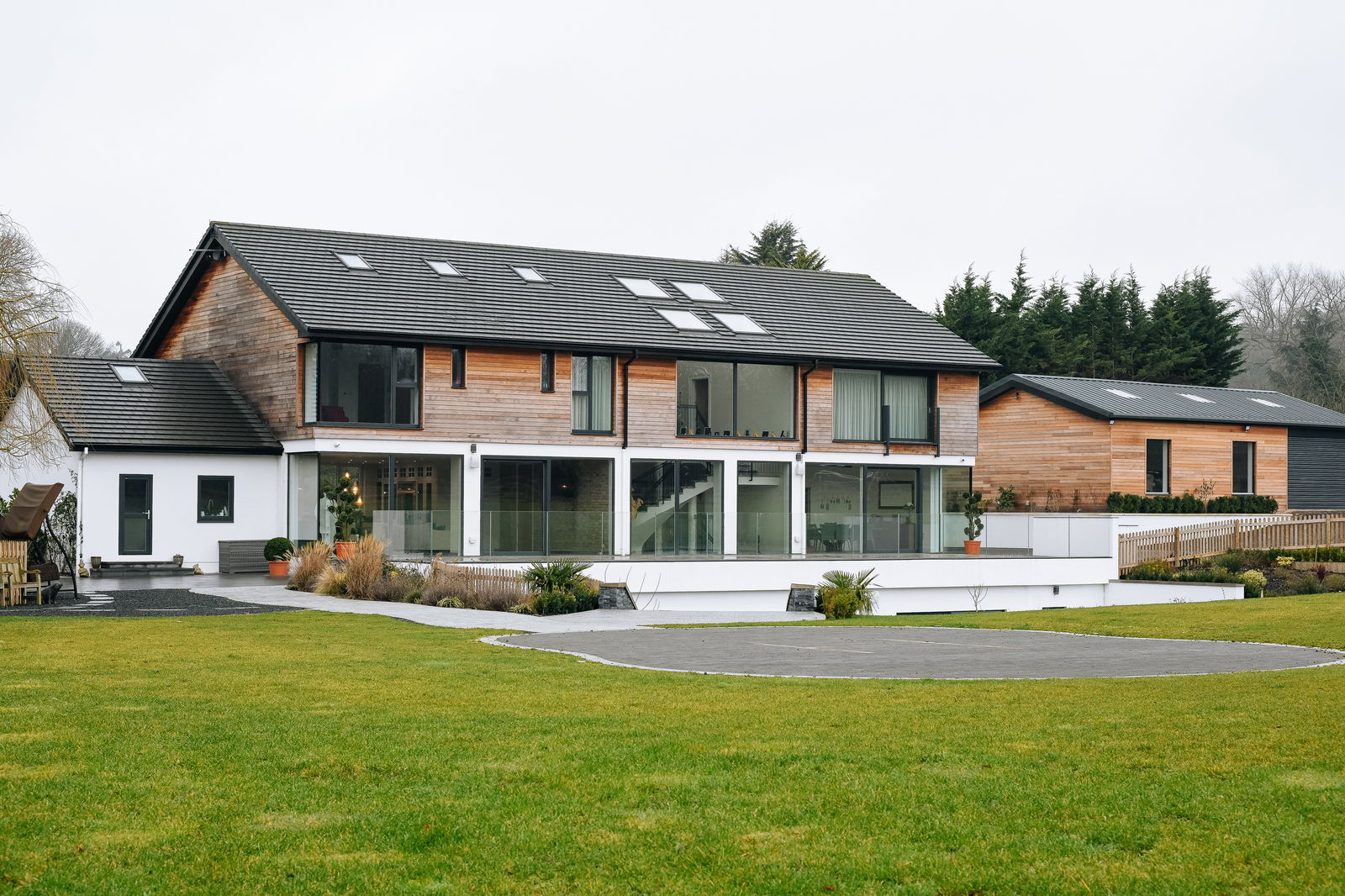
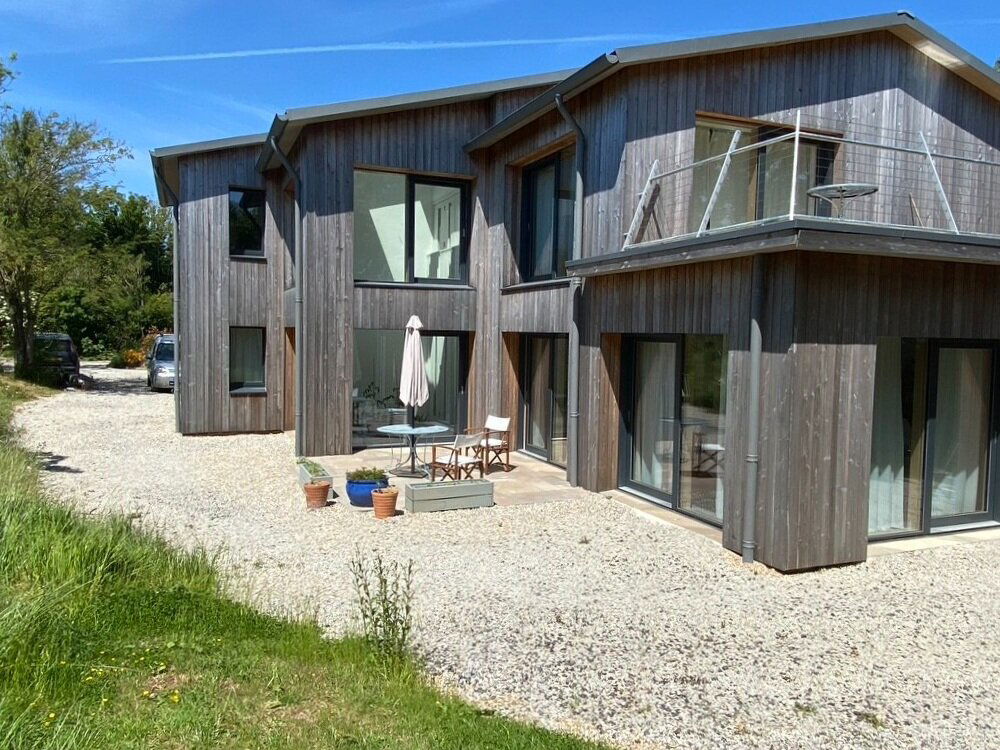
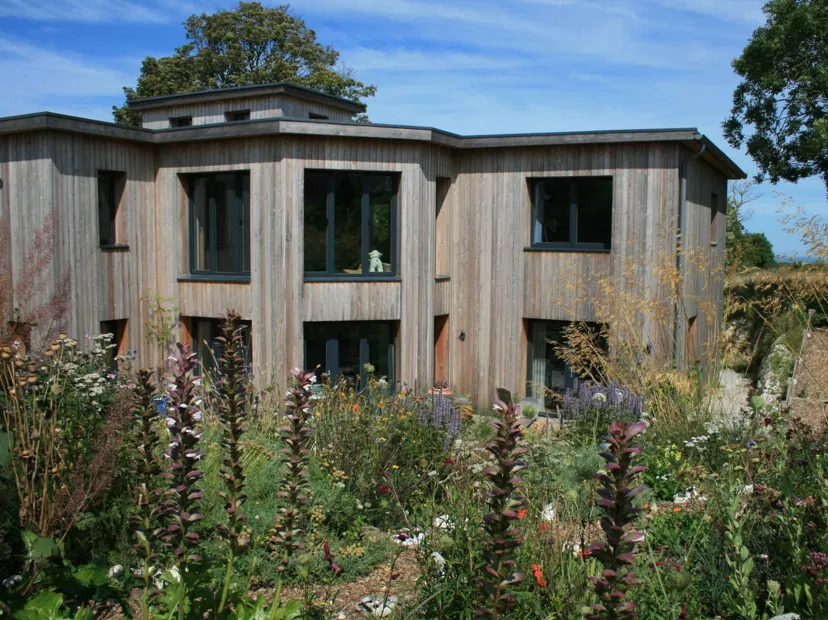
Recent projects in Sevenoaks and the South East have shown how homeowners can cut both energy bills and embodied carbon by choosing timber-alu or high-recycled-content systems.
Low-Carbon Windows & Doors Checklist
When comparing options, ask:
- What is the embodied carbon footprint of the frame and glazing?
- Is the material certified or recycled?
- What’s the U-value and air leakage rate?
- How will the system be installed and maintained?
- Is there a plan for recycling at end-of-life?
Conclusion
Low-carbon windows and doors aren’t just about ticking a sustainability box. They’re about future-proofing your home — cutting bills, improving comfort, and reducing environmental impact from manufacture to disposal.
Looking for advice? Book a showroom consultation at AT-ECO (Brasted, Westerham, Kent) and explore real low-carbon solutions tailored to your project.